SpaceX launches 21 SDA data satellites from Vandenberg
Falcon 9 lofted Tranche 1 Transport Layer A early on 9 October 2026 after an Oct. 5 abort, adding Northrop Grumman spacecraft to the proliferated warfighter constellation.
SpaceXFalcon 9SDASpace Development AgencyTranche 1Transport LayerVandenbergNorthrop GrummanNSSLPWSAUS Space ForceBooster landing
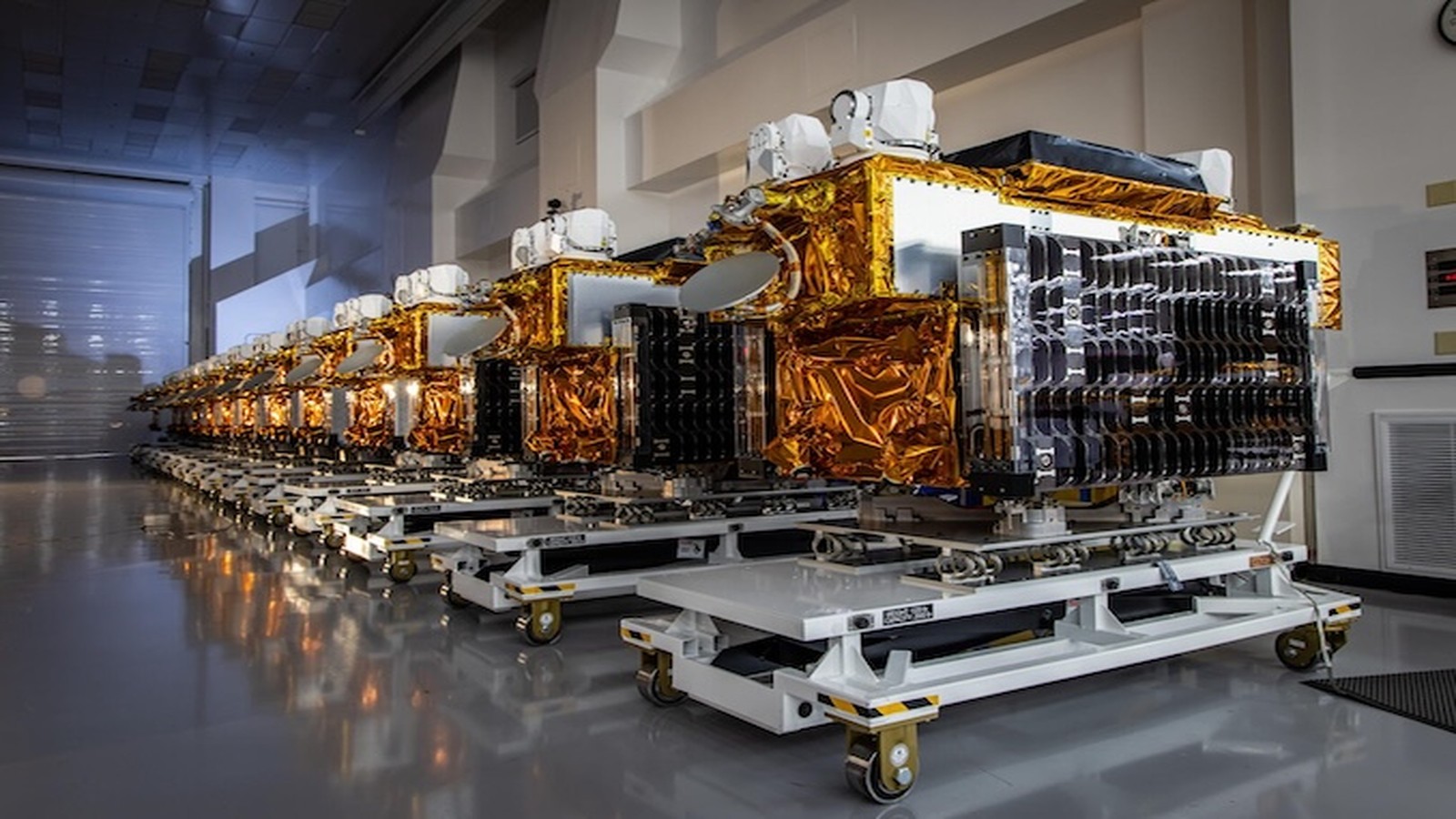
A Falcon 9 lifted off from Vandenberg Space Force Base early on 9 October 2026 carrying 21 data satellites for the U.S. Space Development Agency, closing out a scrubbed attempt five days earlier.
Liftoff from Space Launch Complex 4E came at 12:39 a.m. PDT (07:39 UTC). The rocket flew a southerly path from SpaceX’s West Coast pad. An Oct. 5 countdown had auto-aborted with 58 seconds left after “off-nominal data on Stage Two,” SpaceX said; the booster was lowered for checks while the attempt slipped day by day, with range deconfliction also in play after a Friday missile test from Vandenberg.
The flight, Tranche 1 Transport Layer A (T1TL-A), is the fourth production mission for SDA’s proliferated architecture and one of 23 SpaceX missions under the National Security Space Launch Phase 2 contract. First-stage booster B1103 flew its sixth mission and landed at Landing Zone 4 about 7.5 minutes after liftoff — the 37th LZ-4 landing and the 668th Falcon booster landing overall, according to Spaceflight Now.
The 21 satellites were built by Northrop Grumman and delivered to Vandenberg on Sept. 28. Earlier Tranche 1 Transport Layer flights put York Space Systems and Lockheed Martin spacecraft on orbit; with those three missions complete, Spaceflight Now reports 63 satellites already flying. When finished, Tranche 1 is planned for 126 Transport Layer satellites, 28 Tracking Layer satellites, and four missile-defense demonstration craft, with operational capability expected to begin in 2027.
SDA’s Transport Layer is sized for roughly 300 to 500 satellites in low Earth orbit between 750 and 1,200 km, linked by optical inter-satellite links for lower latency and integration with systems such as Link-16 and the Integrated Broadcast System. Space Systems Command’s System Delta 80 manages the launches.
Desk note from public releases. Sources: