Starship Flight 14: Raptor engine-out and the path to reuse
Booster and ship each lost a Raptor; remaining engines compensated for first orbit, 26 Starlink V3s, first deorbit burn, and Pacific landing burn—resilience tested, rapid reuse still open.
SpaceXStarshipFlight 14RaptorRaptor 3Engine-outReusabilityStarlink V3Super HeavyStarbasePropulsionSpace tech
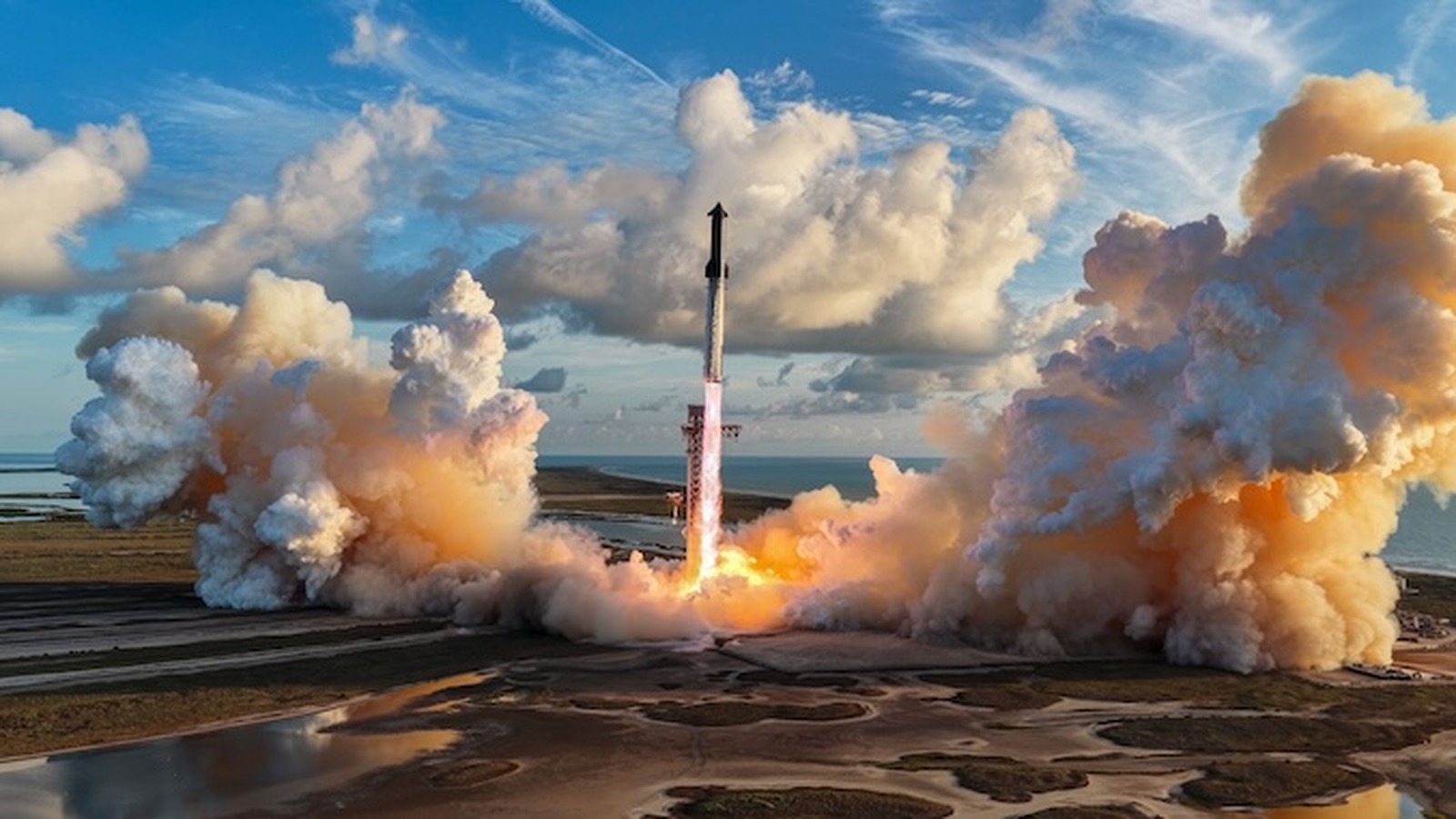
Starship Flight 14 on 28 September 2026 put engine-out engineering on the flight-test checklist. Super Heavy lost a Raptor during ascent (and another on boost-back, per webcast and reporting); Ship lost one Raptor vacuum engine on its ascent burn. Remaining engines burned longer to hold the profile. After a conservative coast review, flight controllers cleared a single sea-level Raptor for the first orbit-insertion burn, then deployed 26 Starlink V3 satellites—too large for Falcon 9 fairings—via the Pez-style dispenser.
SpaceX shortened the planned multi-orbit coast “out of an abundance of caution” after the ascent engine issue, then flew the first Starship deorbit burn and a three-engine landing burn to a Pacific splashdown north of Hawaii about three hours after liftoff. Primary objectives—reach orbit and deploy operational V3s—were met; long-duration orbital endurance was deferred.
The tech read is redundancy versus rapid reuse. Engine-out tolerance worked for this profile, but Raptor 3’s lighter, lower-part-count design has now shown anomalies across recent flights. That matters for catch-and-fly cadence and for tanker-heavy lunar architectures that need high reliability. Starlink V3’s ~1 Tbps-class capacity claim (per SpaceX) also ties the vehicle to next-gen broadband hardware that only Starship can loft. Heat-shield performance through reentry looked nominal in company and press accounts; tile reuse claims wait for sourced post-flight notes.
Voyage frames F14 as propulsion and reusability engineering: which Raptors failed, how guidance compensated, and what still blocks rapid ship catch—not as a crew story.
Desk note from public releases. Sources: